


Materialize
Recipes
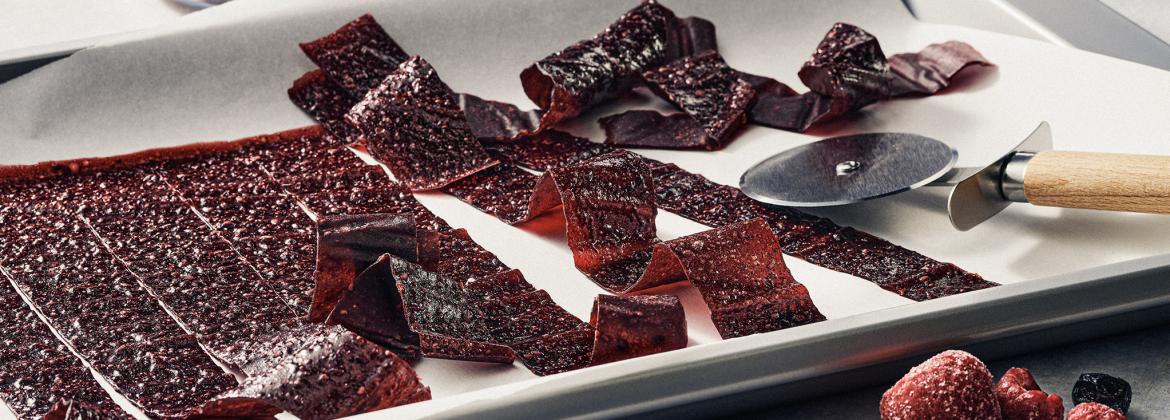
750 mL (3 cups) frozen berries or other frozen fruits
30 mL (2 tbsp) lemon juice
30 mL (2 tbsp) maple syrup or honey
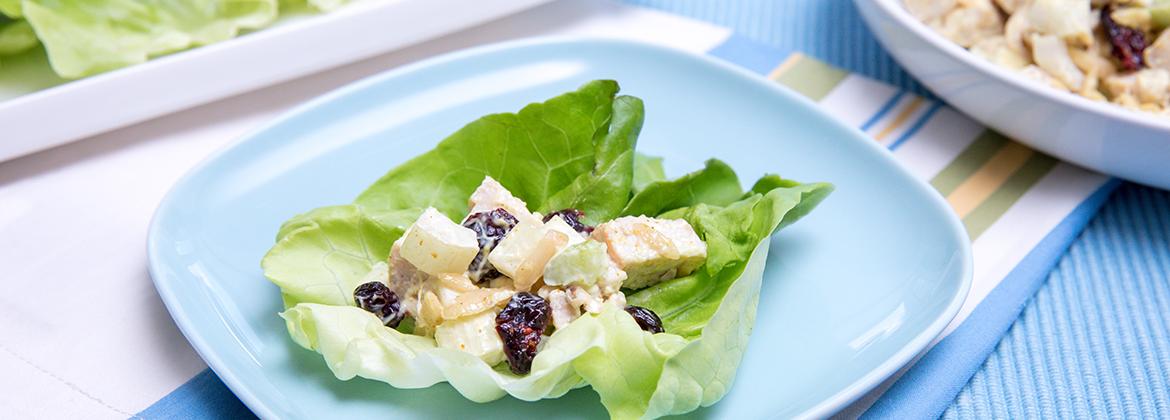
750 mL (3 cups) shredded or cubed cooked chicken breast
2 ½ stalks celery, diced
125 mL (½ cup) dried cranberries
125 mL (½ cup) slivered almonds
15 mL (1 tbsp) lemon juice (about ½ lemon)
5 mL (1 tsp) mild curry powder
125 (½ cup) light mayonnaise
5 mL (1 tsp) garlic powder
10 large lettuce leaves (butter lettuce works best)
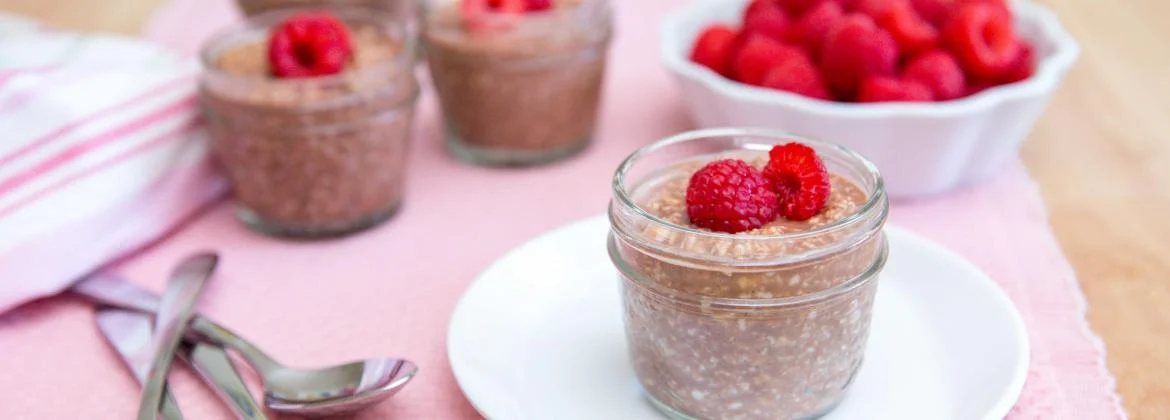
335 mL (1 ⅓ cups) rolled oats
250 mL (1 cup) skim milk or unsweetened fortified plant-based beverages
85 mL (⅓ cup) 0% plain Greek yogurt
1 ripe banana, mashed (about 125 mL/½ cup)
20 mL (4 tsp) maple syrup or brown sugar
15 mL (1 tbsp) cocoa powder
250 mL (1 cup) fresh or frozen raspberries
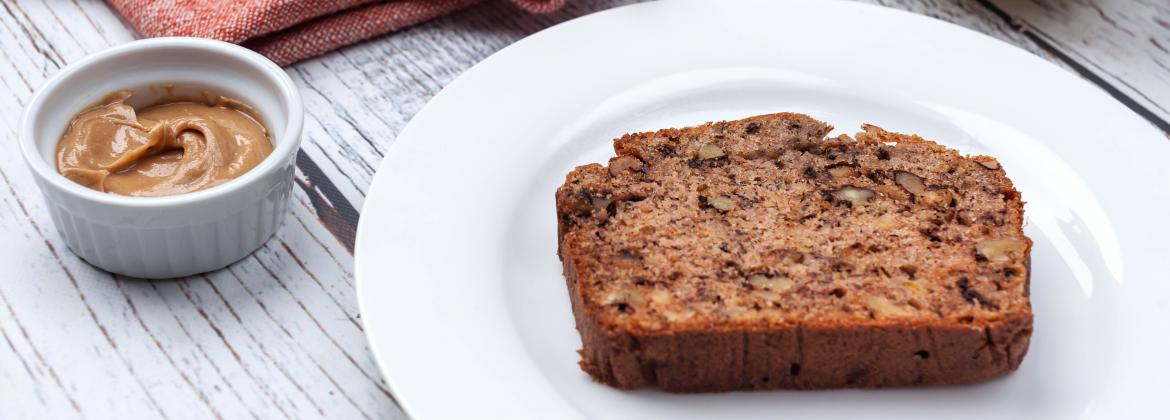
2 eggs
85 mL (⅓ cup) maple syrup
5 mL (1 tsp) vanilla extract
125 mL (½ cup) vegetable oil
3 bananas, mashed
250 mL (1 cup) whole wheat flour
190 mL (¾ cup) all-purpose flour
5 mL (1 tsp) baking soda
5 mL (1 tsp) cinnamon
1 mL (¼ tsp) salt
250 ml (1 cup) unsalted walnuts, toasted and chopped
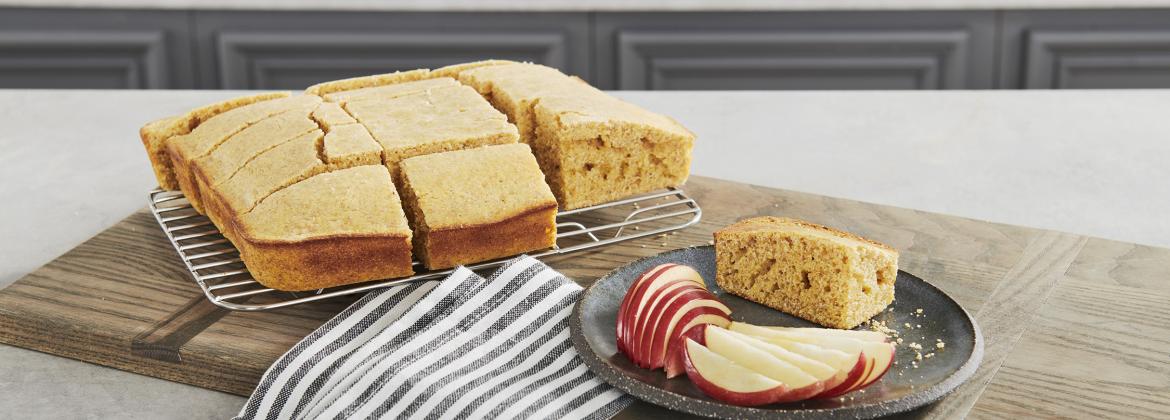
30 mL (2 tbsp) light sour cream
310 mL (1 ¼ cups) lower fat milk or unsweetened fortified plant-based beverage
60 mL (¼ cup) sunflower oil
2 eggs
335 mL (1 ⅓ cups) whole wheat flour
165 mL (⅔ cup) medium grind cornmeal
165 mL (⅔ cup) granulated sugar
15 mL (1 tbsp) baking powder
2 mL (½ tsp) salt
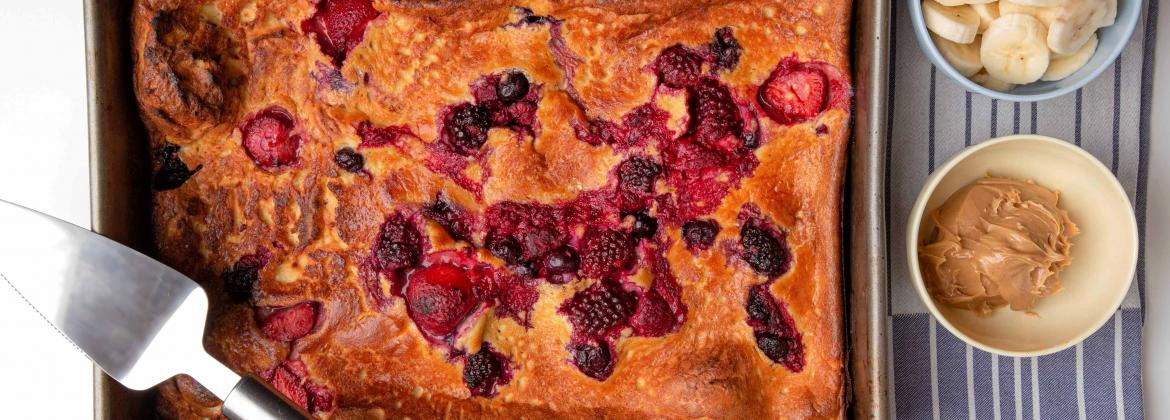
125 mL (½ cup) whole wheat flour
125 mL (½ cup) all-purpose flour
310 mL (1 ¼ cups) lower fat milk or unsweetened fortified plant-based beverage
4 eggs
5 mL (1 tsp) vanilla extract
20 mL (1 ½ tbsp) honey
10 mL (2 tsp) non-hydrogenated margarine
45 mL (3 tbsp) vegetable oil
375 mL (1 ½ cups) frozen berries
125 mL (½ cup) almonds, slivered or chopped
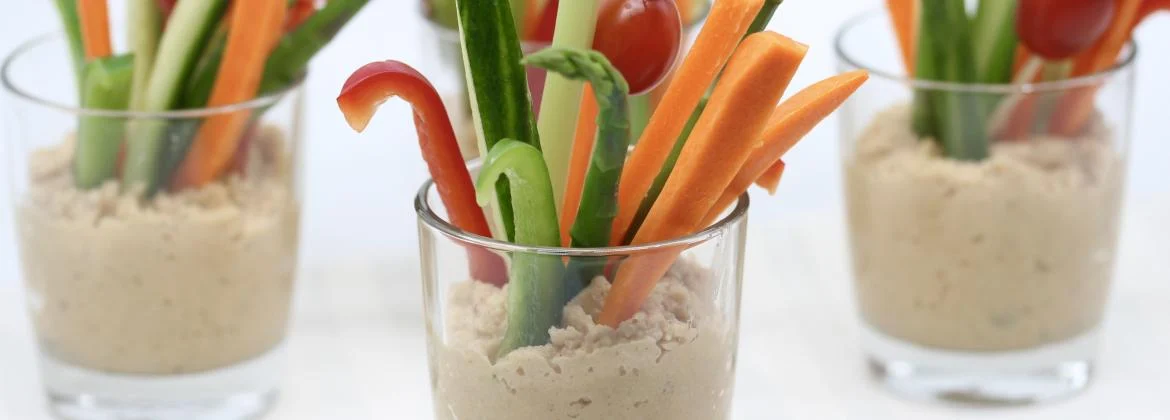
1 head cauliflower, cut into small florets
30 mL (2 tbsp) olive oil, divided
1 can (540 mL/19 oz) no salt added white kidney beans, drained and rinsed
2 mL (½ tsp) garlic powder
2 mL (½ tsp) paprika
2 mL (½ tsp) lemon juice (about ¼ lemon)
125 mL (½ cup) water
Salt and pepper to taste
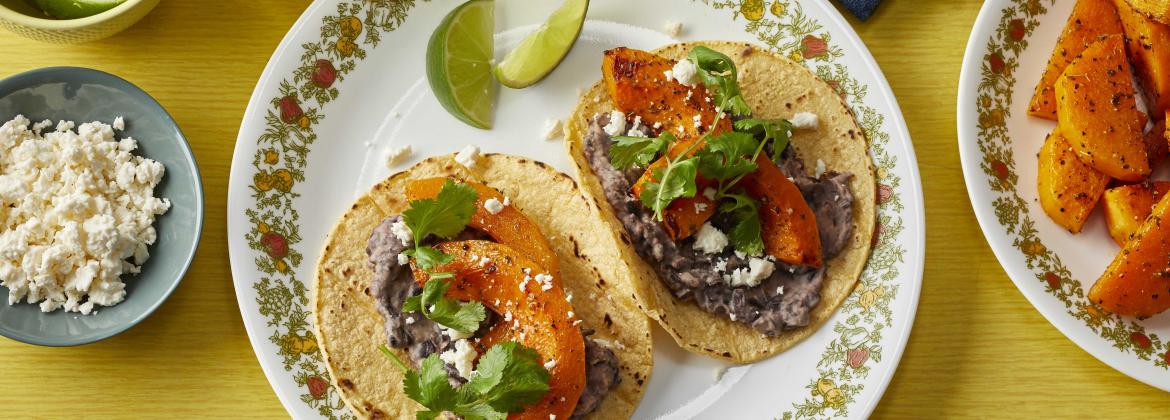
Squash:
1 medium butternut squash (about 1 kg/2 ¼ lb)
10 mL (2 tsp) olive oil
5 mL (1 tsp) chili powder
5 mL (1 tsp) dried oregano
Refried Beans:
15 mL (1 tbsp) olive oil
2 garlic cloves, peeled
1 ½ cans (1 ½ x 540 mL/19 oz) no salt added black beans, drained and rinsed
5 mL (1 tsp) ground cumin
30 mL (2 tbsp) lime juice (about 1 lime)
5 mL (1 tsp) chili powder
Tacos:
12 small whole grain corn tortillas
125 mL (½ cup) light feta cheese or queso fresco
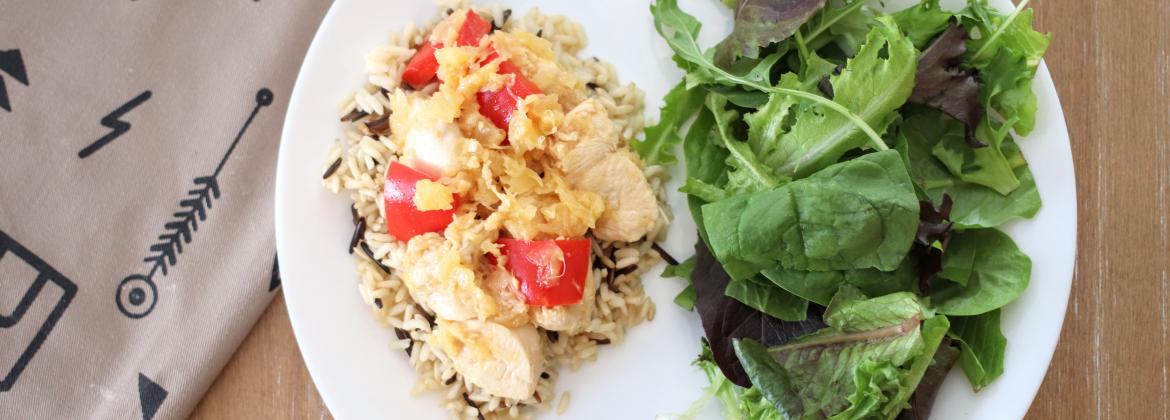
190 mL (¾ cup) no sugar added canned crushed pineapple
15 mL (1 tbsp) fresh ginger, grated or minced
1 clove garlic, grated or minced
15 mL (1 tbsp) lower sodium soy sauce
10 mL (2 tsp) vegetable oil
3 boneless skinless chicken breasts (about 500 g/1 lb)
1 bell pepper, chopped
30 mL (2 tbsp) fresh mint, chopped
2 mL (½ tsp) hot pepper sauce
How to make healthy choices on campus
These strategies can help you stay on track with healthy eating while on campus:
Eat regularly
Regular meals and snacks
Keep your energy up by having regular meals and snacks. Give yourself enough time to eat, whether you visit the dining hall, eat out, or prepare something simple in your dorm.
Make healthy choices easy
Keep ready-to-eat healthy snacks like fruits and nuts handy to eat between classes or during study sessions.
Think about your drink
Stay hydrated
Keep a reusable water bottle with you to drink from throughout the day. Try adding herbs or fruits to your water for added flavour!
Alcohol awareness
Know the risks associated with alcohol consumption. Binge drinking can have serious health risks. If you do choose to drink alcohol, be mindful of your intake and drink responsibly.
Check caffeine intake
Too much caffeine can affect your sleep and overall wellbeing. Aim to limit your daily intake and avoid excessive consumption, especially from specialty coffee and tea drinks. These are often also high in saturated fats and added sugars.
Supplemented drinks
Caffeinated energy drinks and other beverages with added vitamins and minerals can pose a health risk if you drink too much of them. Look for Supplemented Food Facts labels to better understand the ingredients and quantities you're consuming.
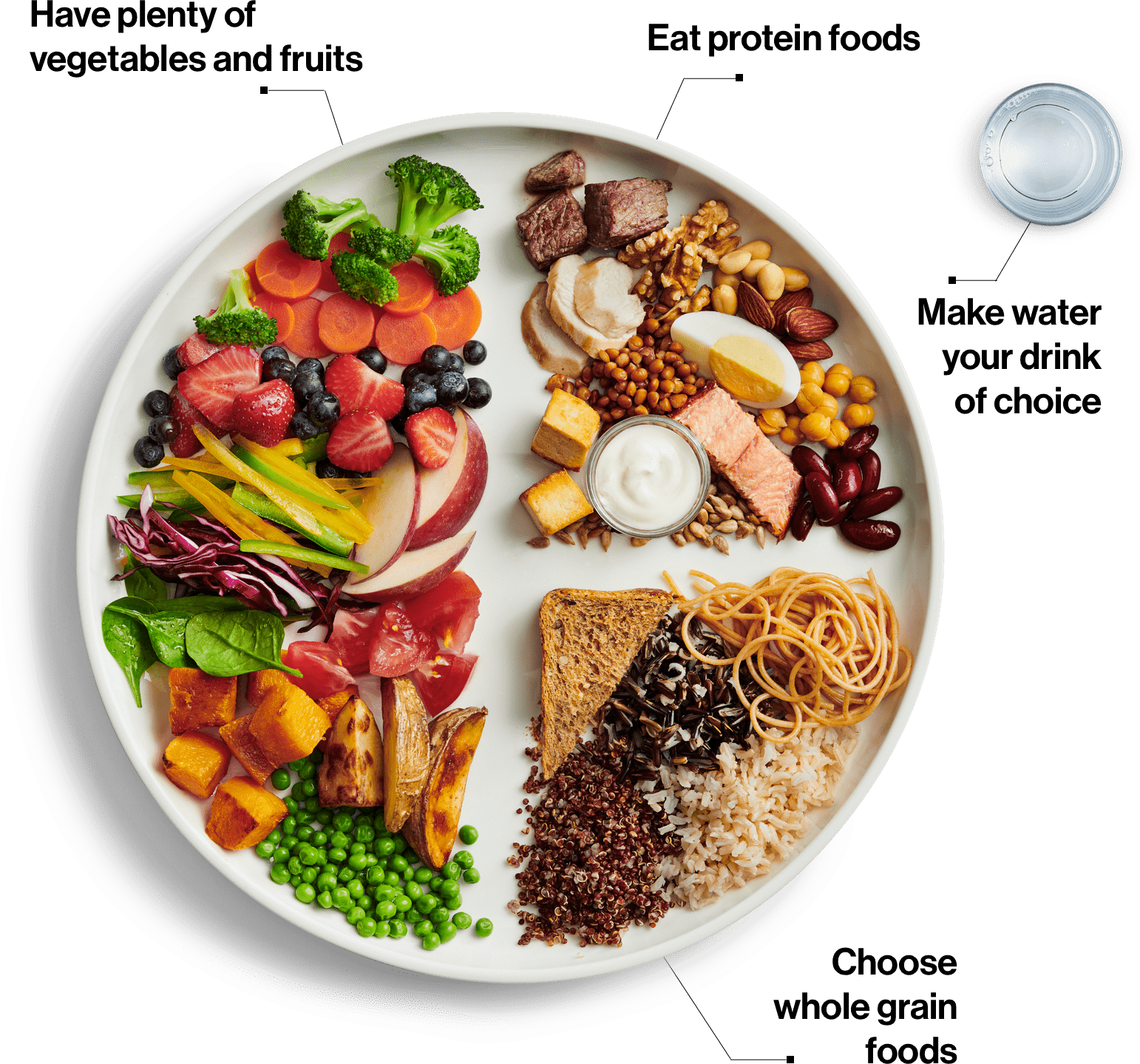
Supplemented food and drinks are not needed for healthy eating. Following Canada's food guide can help you meet your nutrient needs.
Learn to cook on a budget
Planning and budgeting
If you are cooking for yourself, take some time to plan what you eat. Think about your schedule and how much time you have to prepare and eat your meals and snacks.
Use ingredients you already have to reduce food waste and take advantage of coupons, flyers and student discount days at local grocery stores.
Learn basic cooking skills
Discover simple techniques and recipes to transform affordable ingredients into delicious and nutritious meals and snacks.
Optimize your space
If your dorm space is limited, choose versatile ingredients for easy recipes. Explore recipes that are “10 ingredients or less” and “no-cook” from the food guide kitchen.
Explore affordable alternatives
Consider canned, dried, and frozen food options as alternatives to fresh produce. Look for options with little to no added sodium, sugars or saturated fats.
Embrace bulk cooking
Cooking in larger quantities can save you time and money, making your transition to home cooking smoother. Try preparing batches of soups, stews or casseroles that can be easily reheated.